
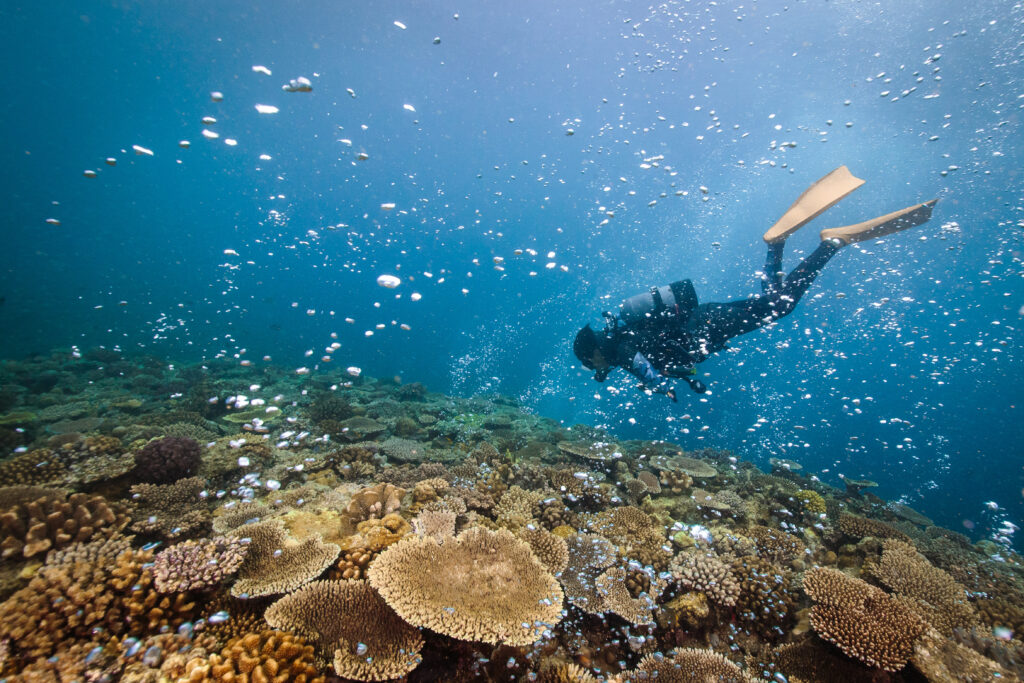
If you’re a diving enthusiast, here’s something you should know. The east coast islands of Malaysia are at their absolute best from March to September. This is when the sea turns crystal clear, visibility improves beautifully, and the underwater world becomes even more vibrant. Calm waters, sunny skies, and colourful coral reefs make this stretch of coastline one of the most rewarding places to dive in the region.
And one of the best diving spots for many divers is none other than Perhentian Island.
Perhentian Island diving is popular for a reason. The water is warm and inviting, the coral gardens are healthy and lively, and marine life encounters are common even on beginner-friendly sites. It’s a destination where first-time divers can feel safe and confident, while certified divers still find plenty to explore.
Whether you’re planning to try scuba for the first time or you’re already certified and looking for your next dive getaway, Perhentian Island offers a relaxed, accessible, and genuinely enjoyable experience underwater.
Before you pack your bags, here are 7 important things you should know about Perhentian Island diving. Everything from the best season to visit, to what you can expect beneath the surface.
7 Things You Need to Know When Diving in Perhentian Island
1. Best Time for Perhentian Island Diving
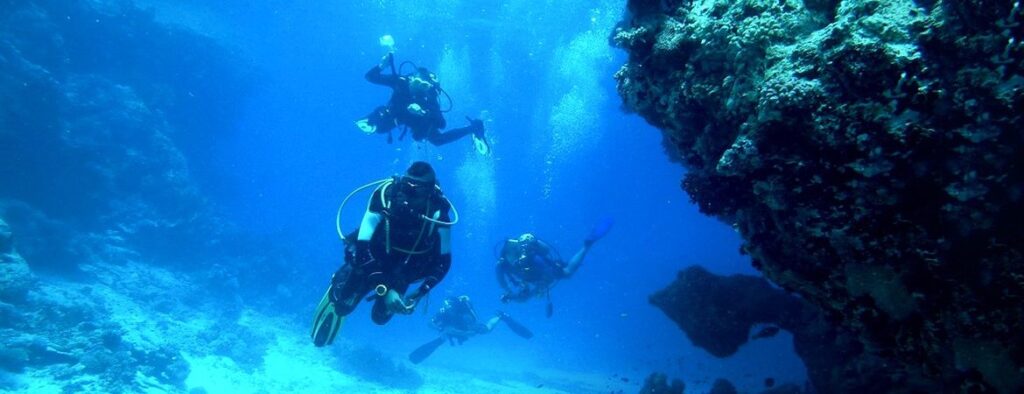
Timing can make a big difference in your diving experience. The ideal season for Perhentian Island diving runs from March to September, when the sea is calmer, visibility is at its best, and the reefs are thriving.
Peak season: June to August — expect more tourists, but lively dive spots.
Shoulder months: March to May, September — fewer crowds and still excellent conditions.
Monsoon season: November to February — rough seas, limited access, and many resorts close temporarily.
During the best months, water temperatures stay around 27–30°C, so a short wetsuit is usually enough for comfort. Calm seas also make boat rides smooth, perfect for both beginners and experienced divers.
2. What You Can See Underwater (Marine Life Highlights)
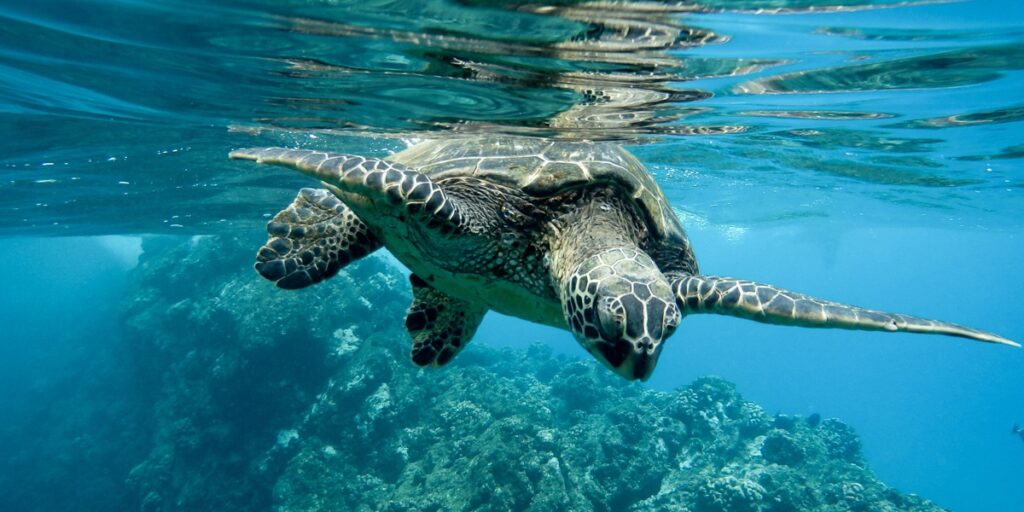
One of the biggest draws of Perhentian Island diving is the incredible variety of marine life. Even on a short dive, you can encounter:
- Sea turtles gliding gracefully along coral slopes
- Blacktip reef sharks patrolling the reef edges
- Blue-spotted stingrays resting on sandy patches
- Schools of parrotfish, snappers, and fusiliers
- Moray eels peeking from coral crevices
- Colourful nudibranchs and tiny critters for macro enthusiasts
Each dive is a little different. You never know when a playful turtle or a school of barracuda will swim by, which keeps every dive exciting.
3. The Best Dive Sites Around Perhentian Island (By Level)
Perhentian Island offers dive sites for all experience levels.
Levels | Sites | Experience |
Beginners | 1. Shark Point 2. Reef Gardens 3. Sugar Wreck (shallow part) | · Shallow sandy areas with gentle slopes · Calm currents, good visibility · Ideal for Discover Scuba Diving sessions or Open Water training |
Intermediate Divers | 1. Tokong Laut (Temple of the Sea) 2. Terumbu Tiga (Three Brothers) | · Slightly deeper coral walls · Swim-throughs and small overhangs · Mild currents with more variety in marine life |
Advanced Divers | 1. Sugar Wreck (deeper areas) 2. Terumbu Tiga (challenging sections) | · Pinnacle formations and drop-offs · Stronger currents, deeper profiles · Chances to see larger pelagic species like trevally or reef sharks |
No matter your level, there’s something to explore, and even familiar dive sites can feel new depending on the day’s conditions.
4. For Beginners: Discover Scuba Diving vs PADI Open Water
If you’ve never dived before, Perhentian Island is a great place to start.
Discover Scuba Diving (DSD):
- No certification required
- Short theory session and shallow water practice
- One or two guided dives, usually up to 12 meters
- Perfect for a “first try” experience
PADI Open Water Course:
- 3–4 days, includes theory and open water training
- 4 certified dives included
- Maximum depth of 18 meterswith a buddy
- International certification (dive anywhere in the world!
Many of our guests try a Discover Scuba Diving session and leave the island inspired to complete their Open Water certification next time.
5. For Certified Divers: Fun Dives, Refreshers & Continuing Courses
Certified divers have plenty of options for adventure:
Fun Dives: Guided dives around the island, exploring walls, pinnacles, and hidden reefs.
Scuba Refresher: A short session for anyone who hasn’t dived recently, perfect for brushing up on skills.
Continuing Education:
- Advanced Open Water
- Deep Diver
- Rescue Diver
- Specialty courses such as Underwater Photography or Night Diving
The variety of dive sites and marine life ensures that even experienced divers leave feeling like they discovered something new.
6. How Much Does It Cost to Go Diving in Perhentian Island?
Prices for Perhentian Island diving vary depending on your experience and the type of dive or course. Here’s a general guide:
Type of Diving | Estimated Price Range (MYR/person) |
Fun Dive | 90 – 120 |
Discover Scuba Diving | 250 – 300 |
PADI Open Water Course | 1,200 – 1,400 |
PADI Advanced Open Water Course | 1,200 – 1,350 |
Scuba Refresher / Review Dive | 160 – 230 |
Prices usually include:
- Full equipment rental
- Boat transfers
- Tanks and weights
- Instructor or dive guide
When planning your Perhentian Island diving trip, it’s best to book your course or fun dives early during peak season.
Tips: Always check with your diving service provider for the latest rates and what’s included, as prices can vary by dive centre, season, package type, and group size.
7. Where to Stay for the Best Dive Trip
Most divers prefer to stay next to the dive centre as it means:
- Less rushing
- Easier early starts
- More time to rest between dives
- No extra transfers across the island
That’s why many guests choose Tuna Bay Island Resort, where Universal Diver is just a short walk away.
The Most Convenient Base for Perhentian Island Diving: Tuna Bay Island Resort + Universal Diver
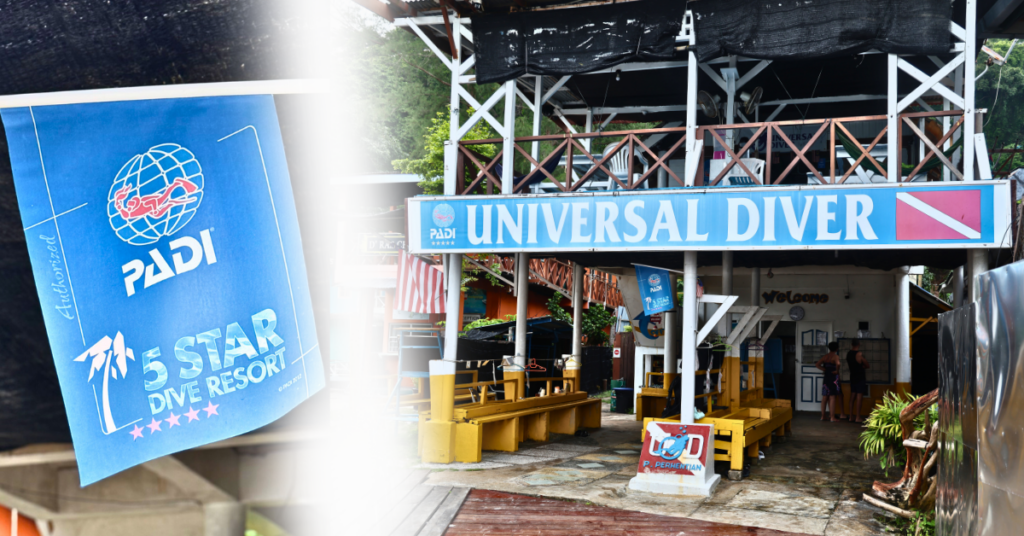
If your goal is to maximize time underwater, the easiest setup is to stay close to your dive centre, and that’s exactly what you get at Tuna Bay Island Resort.
With the beach on your doorstep and our on-island dive partner just steps away, your dive days stay effortless. You can gear up quickly, complete training without hassle, and head out on the boat without rushing around the island. This convenience makes a real difference in Perhentian Island, especially during peak season, when dive slots can fill up and last-minute planning often means settling for whatever is available.
That’s why many guests choose to book a dive package with Tuna Bay. It keeps everything organized in one place, including your room, meals, and diving, so your schedule stays smooth and you spend more time diving and less time coordinating.
For beginners, our PADI Open Water Dive Package, entry-level scuba, is the simplest way to get certified on the island. It includes the Open Water course with a PADI certification card, learning materials, and a full set of dive equipment. All sessions are conducted by PADI-certified, experienced instructors, with a resort-based schedule that lets you train, dive, and rest comfortably between sessions.
For certified divers, our Full Board Perhentian Fun Dive Package is ideal if you want a dive-focused holiday without the hassle of arranging everything separately. With accommodation, meals, and guided dives planned together, you can dive in the morning, recharge in the afternoon, and be ready to go again the next day.
How to Go to Perhentian Island
Getting here is easier than many first-time visitors think.
Step 1: Reach Kuala Besut Jetty
- By car from Kuala Lumpur (approx. 5–6 hours)
- By domestic flight to Kota Bharu or Kuala Terengganu
- By bus from major cities
Step 2: Boat Transfer to the Island
From Kuala Besut Jetty, it’s about a 30–45 minute speedboat ride to Perhentian Island.
We always recommend arranging your boat timing in advance, especially during peak season.
What to Pack for Diving in Perhentian Island
Most dive equipment is provided, but here are essentials to bring:
- Reef-safe sunscreen
- Swimsuits (at least 2)
- Lightweight clothing
- Flip-flops or sandals
- Personal dive mask (if you have one)
- Logbook and certification card
- Dry bag for boat rides
- Motion sickness medication (if needed)
Because it’s a tropical island, pack light and practical. Comfort is key when you’re diving multiple days in a row.
Conclusion
Perhentian Island diving offers the best environment and approachable conditions for beginners, and enough variety to keep experienced divers engaged.
Whether you’re trying scuba for the first time or adding new certifications to your logbook, Perhentian Island provides a balanced mix of relaxation and adventure.
With the right season, proper planning, and a convenient base, your dive holiday can be smooth from arrival to departure.
Plan a Smooth Dive Holiday with Tuna Bay Island Resort
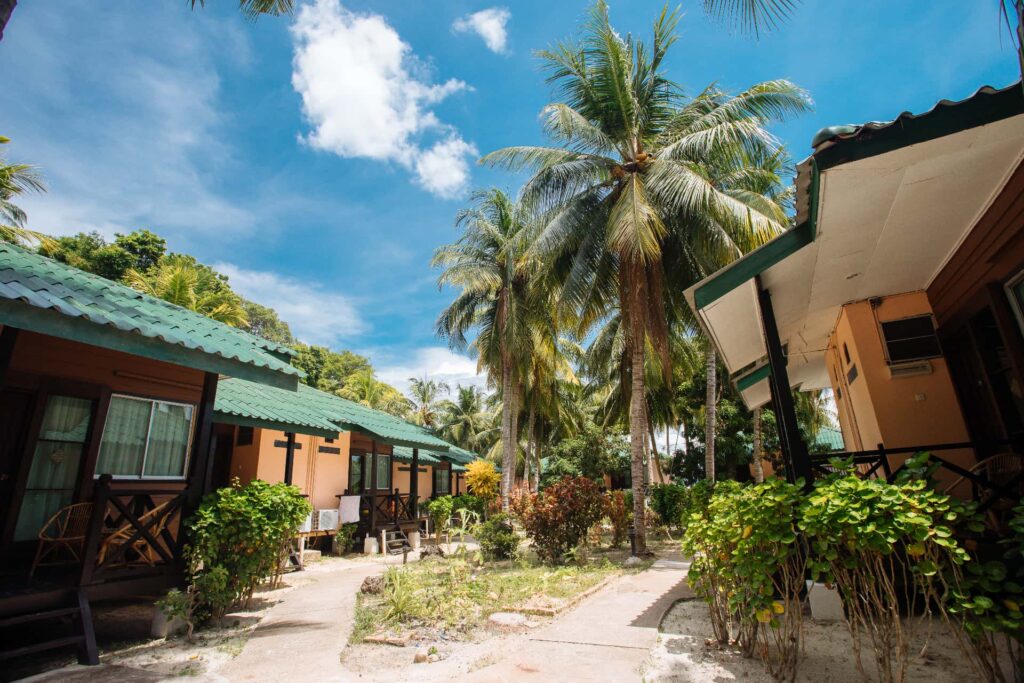
At Tuna Bay Island Resort, we’ve seen how much easier a dive trip becomes when everything is within walking distance. As a comfortable beachfront base for divers, we’re proud to support guests who come specifically for Perhentian Island diving.
Beyond diving, Tuna Bay Island Resort is loved for:
- Beachfront chalets
- Relaxed island atmosphere
- Sunset views
- Easy access to snorkelling
- Family-friendly environment
Many of our guests come for the diving and return for the overall experience.
Want more reasons to stay here?
Read this Top 9 Reasons to Add Tuna Bay Island Resort to Your “Travel Malaysia” Bucket List
If you’re planning your next Perhentian Island diving adventure, feel free to Contact Us . Our team is always happy to help you arrange accommodation, boat transfers, and connect you with the right dive program.